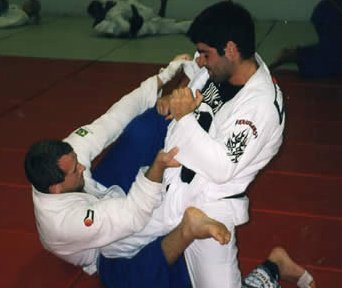
Brazilian Jiu-Jitsu: The Art of Leverage, Discipline, and Control
Brazilian Jiu-Jitsu (BJJ) is a grappling martial art that focuses on ground fighting, submissions, and positional control. Unlike striking-based martial arts, BJJ teaches practitioners how to use technique, timing, and leverage to overcome larger and stronger opponents. It has become one of the most widely practiced martial arts in the world for self-defense, fitness, and competition.
One of the many respected training academies contributing to the growth of BJJ is http://www.e-townbjj.com/, a well-established martial arts school dedicated to authentic Brazilian Jiu-Jitsu training, structured instruction, and building strong, disciplined practitioners. With programs designed for beginners through advanced athletes, it represents the traditional values and modern evolution of the art.
What Makes Brazilian Jiu-Jitsu Unique?
BJJ is built on the principle that most fights end up on the ground, where control and technique become more important than strength or size. Practitioners learn how to:
Control opponents through positional dominance
Escape from disadvantageous positions
Apply joint locks and choke submissions
Transition smoothly between positions
This makes BJJ highly practical for both self-defense and sport competition.
Training Structure in BJJ
A typical Brazilian Jiu-Jitsu class includes several key components:
Warm-ups and movement drills
To develop mobility, balance, and coordination.
Technique instruction
Focused on learning specific positions, submissions, or escapes.
Drilling
Repetition of techniques to build muscle memory.
Live rolling (sparring)
Controlled practice where students apply techniques against resisting partners.
This combination allows students to progressively build both technical skill and real-world application.
The Belt Progression System
Brazilian Jiu-Jitsu uses a belt ranking system to measure progress:
White Belt – Learning fundamentals and survival basics
Blue Belt – Developing defense and basic offense
Purple Belt – Intermediate technical understanding
Brown Belt – Advanced refinement and strategy
Black Belt – Mastery of BJJ principles and systems
Progress is typically slow and earned through consistent training and real skill development.
The Importance of Training Environment
A strong training environment plays a major role in a student’s development. Academies like http://www.e-townbjj.com/ emphasize structured learning, discipline, and a supportive atmosphere where students of all levels can grow safely and effectively.
Good BJJ academies focus on:
Respectful training culture
Safe sparring practices
Technical instruction over ego
Consistent student development
This type of environment helps students stay motivated and improve steadily over time.
Essential Gear for Brazilian Jiu-Jitsu
One of the most important pieces of equipment in BJJ is the gi. A proper gi should be durable, comfortable, and designed to withstand constant gripping and pressure during training.
Modern practitioners often choose lightweight, pre-shrunk gis for better mobility and long-term durability.
You can explore a wide selection of Brazilian Jiu-Jitsu gis here:
https://www.elitesports.com/collections/brazilian-jiu-jitsu-bjj-gis
A popular option for many beginners is the Elite Sports Ultra Light Preshrunk BJJ Gi, which includes a free white belt and is designed for comfort and durability:
https://www.elitesports.com/products/elite-sports-ultra-light-preshrunk-yellow-adult-brazilian-jiu-jitsu-bjj-gi-with-free-white-belt
Why BJJ Continues to Grow Worldwide
Brazilian Jiu-Jitsu has experienced massive global growth due to its effectiveness and adaptability. It is widely used in MMA, self-defense systems, and fitness programs. Its emphasis on problem-solving and continuous improvement attracts people of all ages and backgrounds.
Unlike many martial arts, BJJ is a lifelong journey—there is always something new to learn, refine, and master.
Final Thoughts
Brazilian Jiu-Jitsu is more than a combat sport—it is a discipline built on patience, respect, and continuous learning. Whether training at a local academy like http://www.e-townbjj.com/ or anywhere else in the world, practitioners gain not only physical skills but also mental resilience and confidence that extends far beyond the mats.

